Denver · typical $250–$700
Tree roots in Denver sewer lines
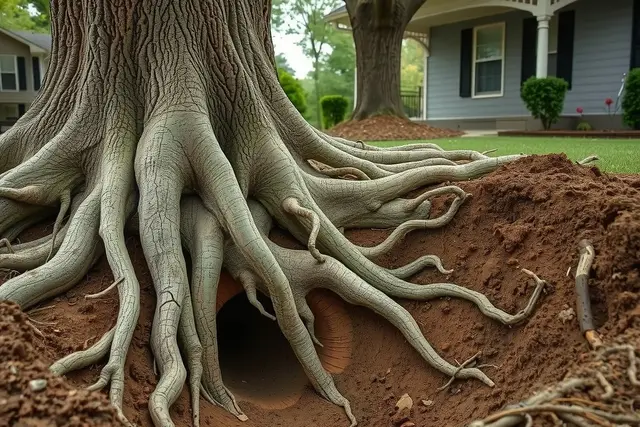
Denver's tree canopy is one of the city's best features and one of the main reasons its older sewer lines back up. The trees aren't the problem on their own; it's the combination of big roots and century-old clay pipe.
Tree root removal in Denver?
Answered 24/7
Including holidays and storms
Licensed local plumbers
Licensed in Colorado
Winter-ready
Frozen lines and thaw calls
Price ranges up front
Know the range before they come
Which Denver homes see it most
Homes built before roughly 1960 with clay laterals, especially on streets lined with silver maples, elms, cottonwoods and ash. The parkway strip between sidewalk and street is where many of those trees grow, and it's also where many laterals run on their way to the main.
A realistic plan
- 01
Cut the roots
A root-cutting head on a large cable opens the line from the cleanout.
- 02
Scope the line
The video shows how many joints have roots and whether the pipe is cracked or offset.
- 03
Decide on maintenance or repair
One or two root joints can be managed with cutting every year or two. Many joints, cracks or a collapse usually mean lining or replacing the lateral.
Timing
If your line backs up at the same time each year, book the cutting a month or so before that, not after the basement floods. Pair it with hydro jetting in Denver when fine root hair keeps coming back quickly.
Common questions
Will cutting roots kill the tree?+
No. The roots removed are the small ones inside the pipe. The tree is unaffected.
How long until roots come back?+
Often one to two years, because the joint they entered is still open.
Is root damage covered by insurance in Denver?+
Insurers generally treat roots as wear and maintenance, so the pipe work is rarely covered. Water damage inside the house may be, depending on your policy and endorsements.