Guide · updated 2026-10-02
Hydro jetting vs. snaking a drain
Both clear clogged drains, but they do different jobs. A cable opens a path through a blockage; a jetter cleans the pipe. Picking the right one depends on what's in the line, how often it's clogged, and what shape the pipe is in.
Rather have a pro handle it?
Side by side
| Snaking (drain cable) | Hydro jetting | |
|---|---|---|
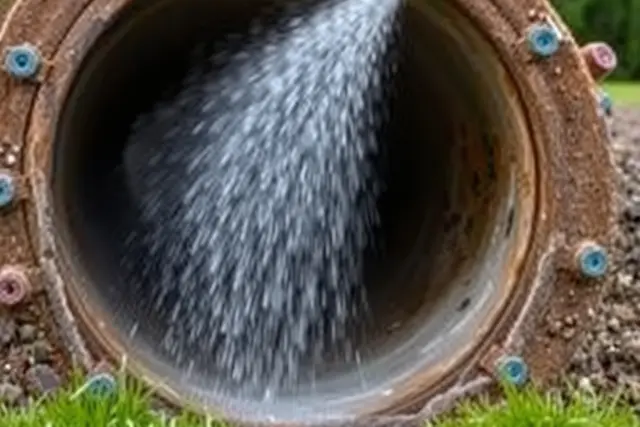
| How it works | A rotating steel cable with a cutting head bores through the clog | Water at several thousand psi through a nozzle that scours the walls |
| Good at | Wipes, toilet clogs, hair, first-time main backups, cutting roots | Grease, scale, sludge, fine root regrowth, repeat clogs |
| Leaves behind | Buildup on the pipe walls | A clean pipe wall |
| Typical Colorado cost | $125–$600 | $350–$900 |
| Needs a camera first? | Not usually | Recommended on older clay or cast iron |
When snaking is the right call
- It's the first time this drain has clogged.
- Something specific went down it: wipes, a toy, too much toilet paper.
- It's a bathroom fixture with a hair clog.
- The main line backed up once and you want it open now, with a camera look afterward.
When jetting is worth it
- The same line has been snaked two or more times in a year.
- It's a kitchen line and the cable comes back coated in grease.
- The camera shows scale, sludge or fine roots along the walls.
- You're about to line or repair the pipe and it needs to be clean first.
When neither will fix it
If the camera shows a collapsed section, a large belly holding standing water, or a joint that's separated badly, cleaning only buys time. In that case the conversation is about a spot repair, lining or replacing the lateral. A plumber who tells you that before jetting a broken pipe is doing you a favor. See what a sewer scope shows.