Guide · updated 2026-10-02
Signs your main sewer line is clogged
A single slow sink is an annoyance. A clogged main line is a basement full of sewage waiting to happen. These are the signs that separate the two, roughly in the order homeowners notice them.
Rather have a pro handle it?
1. More than one drain is slow
If the tub, the bathroom sink and the toilet are all sluggish at the same time, the problem is downstream of where those lines join: the main. Single-fixture clogs don't spread.
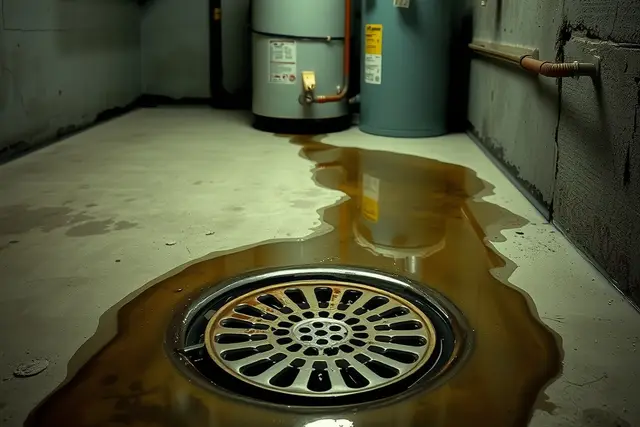
2. Water comes up in the lowest drain
When the main is blocked, water from upstairs takes the path of least resistance, which is the lowest opening in the house. In most Colorado homes that's the basement floor drain or a basement shower. If you see water rising there, stop using water and call.
3. Toilets react to other fixtures
A toilet that bubbles, gurgles or rises when the washing machine drains or the tub empties means air and water are being pushed back through the system. That points to a partial main line blockage.
4. It happens around the same time every year
Backups that come back every spring or late summer are the classic pattern of root intrusion, especially in older Front Range neighborhoods with clay laterals and big trees.
5. Sewer smell in the yard or basement
A sewer smell that isn't explained by a dry floor drain trap, or a soggy, unusually green strip of lawn along the sewer path, can mean the line is leaking or backed up underground.
6. Plunging works for a day
If a plunger clears the toilet but it clogs again within a day or two, the blockage is beyond the toilet's reach.
7. The cleanout cap is wet or pushing up
Check the main cleanout. If water is weeping around the cap or it's standing in the pipe when you open it carefully, the line is full and blocked downstream of that point.
What to do right now
- 01
Stop using water
No flushing, laundry, dishwasher or showers anywhere in the house.
- 02
Protect the basement
Move belongings off the floor near the drain and keep people and pets away from any sewage.
- 03
Find the cleanout
Clear a path to it. It saves the plumber time and you money.
- 04
Call
A plumber clears the main from the cleanout with a large cable, then ideally runs a camera inspection to see why it happened.